Faster, Smaller, Smarter: The Tools Behind the Shift
Technology has transformed the way media is created, produced, and shared. At the forefront of this revolution is the shrinking gap between professional grade tools and mobile accessibility. What once required entire studios and production teams can now be done on a smartphone.
Mobile Devices: Full Production Suites in Your Pocket
Modern smartphones are capable of high resolution recording, real time editing, and professional quality output. As a result, creators and journalists can work from virtually anywhere without sacrificing quality.
4K and HDR video capabilities on mobile phones
Professional video and audio editing apps on the go
Increasingly compact accessories like gimbals, mics, and lights
Cloud Based Editing and Instant Collaboration
Cloud technology has made it easier than ever to collaborate globally, in real time, and without the hardware constraints of the past.
Cross device access to media assets
Remote review and real time team edits
Automatic backups and version tracking for projects
These advancements reduce time spent on file transfers and enable quick editorial turnaround for breaking stories or trending content.
Speed vs. Depth: The Changing Editorial Equation
The ability to publish instantly is both a blessing and a challenge. While speed is crucial in a digital first media environment, it often raises concerns about the depth and reliability of content.
Instant publishing across social and news platforms
Trade offs between rapid reporting and thorough fact checking
Growing importance of editorial transparency and context
Media creators must now carefully balance the demand for immediate updates with audience expectations for trust and accuracy.
Personalization That Actually Works
AI is making content stickier, and viewers are barely noticing. Recommendation engines now do more than suggest what’s next they’re optimizing how long you stay, what you click, and how content unfolds. It’s not magic, just good math. Data from your past behavior, along with billions of others, feeds into algorithms that surface what you’re most likely to watch and keep watching.
This means creators are adapting. Thumbnails, titles, pacing it’s all tweaked based on what gets pushed and when. In many ways, platforms decide what succeeds. That’s a double edged sword: tailored content boosts retention but narrows discovery. Diverse voices risk being drowned out if they don’t align with the algorithm.
The bigger tension? Privacy. More personalization usually means more data collection. As platforms scrape viewing habits, location info, even biometric signals (hello, eye tracking in VR), the line between helpful and invasive gets thin. Ethical frameworks are lagging behind the tech. For now, it’s a tradeoff: relevance at the cost of autonomy, unless you’re intentional about how and where you plug in.
Content Creation Beyond the Studio
Technology has blown open the doors of traditional media, allowing creators with a smartphone and internet connection to build loyal audiences from anywhere in the world. The shift away from centralized production studios to creator led models isn’t a trend; it’s the new foundation of modern media.
The Rise of Creator Led Media
More individuals are stepping into roles once held by large institutions:
Independent journalism is thriving with newsletters, YouTube exposés, and personalized reporting
Educational creators are building platforms to share tutorials, mini courses, and explainer videos
Entertainment no longer needs a greenlight comedians, storytellers, and filmmakers are finding fans directly online
Livestreaming and Podcasting Go Mainstream
The tools are simple, but the reach is massive. Livestreaming and podcasting remove the delay between creator and consumer, creating a real time, intimate connection.
Streaming platforms like Twitch, YouTube Live, and Instagram Live offer instant audience feedback
Podcasting allows deep dives into niche topics with personal perspective and consistent episodes
Both formats thrive on a sense of authenticity a key driver of engagement today
Building Direct Audience Support
Self distribution isn’t just a method it’s a business model. Creators are leveraging direct contributions to sustain their work and grow their reach.
Subscription platforms (like Patreon or Substack) provide recurring revenue from invested audiences
Donation tools (such as Buy Me a Coffee or Ko fi) make one off support simple and accessible
These models remove middlemen and build stronger creator fan relationships
As creators lean into independence, the relationship with audiences becomes more personal and more powerful. The future of media isn’t housed in studios; it’s being built on handheld devices, one loyal follower at a time.
Immersive Experiences Getting Real
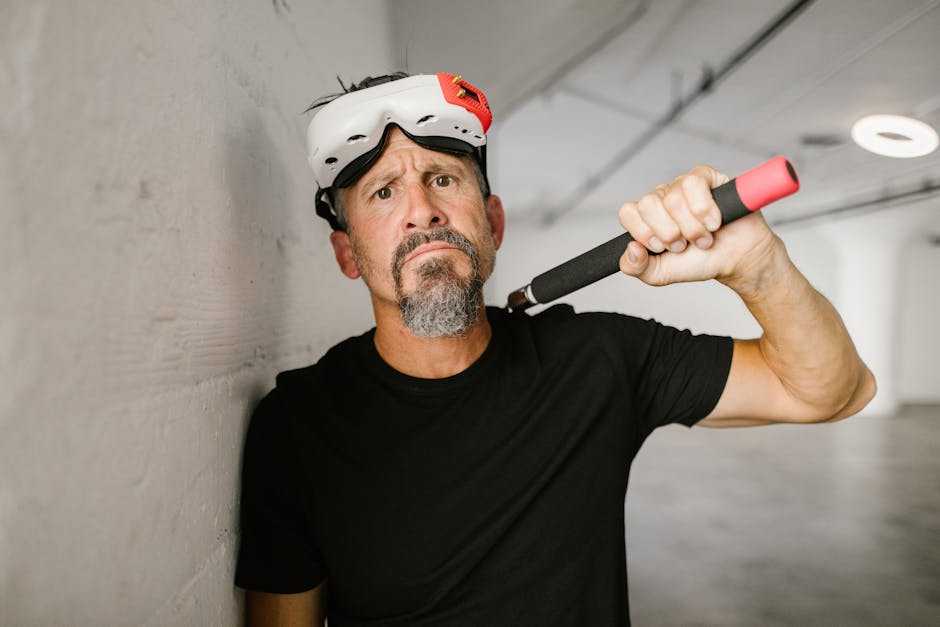
Virtual and augmented reality aren’t fringe anymore. They’ve moved from experimental gimmicks to legitimate storytelling tools in journalism, film, and even education. Newsrooms are producing 360° videos that drop viewers into protests, natural disasters, or refugee camps. Filmmakers are building stories meant to be felt not just watched using AR overlays and VR environments to give depth and presence to narratives.
What makes this shift different now is accessibility. Headsets are cheaper, software is friendlier, and the tech is finally catching up to creative ambition. You don’t need a Hollywood budget to create a sense of immersion. Tools like Unreal Engine and volumetric capture are letting small teams do big things.
But it’s not just about looking cool. The goal is emotional impact. Immersive formats let viewers feel proximity to a story, a place, a person in ways flat screens rarely achieve. As attention spans shrink, this kind of visceral experience may be the antidote.
For more on how virtual reality is changing the media landscape, see this in depth feature: Virtual reality in media.
Data + Design = Impact
Data isn’t just something for backend teams to obsess over anymore it’s steering creative direction in real time. Editors and creators are watching analytics dashboards like hawks, not weeks after a piece publishes but during the first few hours. Immediate feedback on click through rates, drop off points, and engagement spikes means editorial decisions can pivot fast tweaking a headline, tightening a video intro, or reshuffling a layout, all before the audience scrolls away.
But it’s not just about speed. The smartest media today blends hard data with sharp design. Think interactive graphics that adapt per scroll, timelines that let users choose narrative paths, or explainers that move as you do. Visual storytelling has stepped up and the audience expects more than static blocks of content.
On the personal side, creators are leaning heavily on their metrics. Watch time, completion rates, and audience comments aren’t just vanity stats they’re roadmaps. Creators who actually adjust based on their own data see stronger resonance and a clearer sense of what their communities actually care about. Less guessing, more listening.
Will Tech Solve Bias or Amplify It?
Content moderation used to be a mostly human job. Now, algorithms scan billions of videos, comments, and images for violations in milliseconds and at scale. It sounds efficient, but here’s the snag: automation doesn’t understand context. The same technology that flags misinformation might also downrank satire or sensitive personal stories. Mistakes happen, and when a creator vanishes from search or gets demonetized without warning, there’s often no clear answer why.
The line between tech and editorial judgment is messier than ever. Platforms automate the heavy lifting but quietly rely on human reviewers when things get complicated. Still, the ratio is skewed. As AI does more, the people making nuanced calls are overwhelmed or cut from the loop.
That’s why human oversight still matters. Not every policy can be enforced with a keyword filter. Good moderation needs both: smart automation to catch the obvious stuff, and human judgment where meaning and intent live. If creators want a fair shake in this system, transparency and accountability can’t be optional they’re essential.
Where It’s Headed
The future of media isn’t creeping in it’s charging ahead. Predictive content is reshaping how stories are built. Platforms are learning what we want before we know it. AI generated narrators are already reading scripts in multiple languages with eerie precision. Deepfakes swap faces and voices so seamlessly that verifying authenticity has become part of the job.
This isn’t sci fi anymore. Creators and audiences alike have to get smarter, fast. Digital literacy has to go beyond clicking and watching. It means knowing how media is made, spotting the synthetic from the real, and understanding where creative control starts and ends. Whether you’re in front of the camera or cutting footage behind it, staying sharp is non negotiable.
To stay relevant, creators need to adapt without losing the plot. Ethics. Personality. Originality. That’s the buffer against becoming just another cog in an automated stream. The smartest move? Blend creativity with critical awareness. Because in a world where anyone can fake the news or your face the real differentiator is being human, and being trusted.
Curious how immersive tech factors in? Check out this deep dive on Virtual reality in media.