

Defining Personalization That Actually Works
From Surface Level to Strategic
Personalization in marketing has come a long way from just dropping a customer’s first name into an email. In 2024, effective personalization means using deeper layers of customer insight to shape interactions that feel relevant, timely, and valuable.
First name personalization is just the surface
Go deeper with user intent, preferences, and timing
Focus on delivering value, not just familiarity
Core Components of Advanced Personalization
To craft experiences that truly resonate, marketers are leveraging a range of data inputs that go far beyond static segments:
Behavioral data What users click, browse, and abandon tells you more than basic demographics
Contextual targeting Tailoring messages based on time, location, device, and real world cues
Dynamic content Customizing site pages, emails, and messaging modules in real time based on individual user profiles
Segmentation ≠ Personalization
It’s important to draw a clear line: segmentation is not the same as personalization.
Segmentation groups customers based on broad similarities (e.g., age, location, purchase history)
Personalization dives deeper, using live behavior and intent to tailor experiences one to one
Think of segmentation as the foundation and personalization as the finishing layer that makes your messaging truly individual
When used together correctly, segmentation and personalization become a powerful combination that increases relevance and drives better marketing outcomes.
Proven Tactics That Move the Needle
Personalization isn’t just about greeting someone by name it’s about being useful in the moment. Trigger based messaging is the first step. Think abandoned cart nudges that don’t feel like spam, or well timed product suggestions when someone’s browsing but not buying. Timing matters just as much as content, and automation helps nail both.
Email workflows are stepping it up too. Instead of batch and blast, brands are using real time behavioral data like recent clicks or on site behavior to drive smarter sequences. One email might highlight a product someone lingered on; the next might answer a concern the customer never voiced but hinted at through navigation paths.
Site experiences are also shifting. Users see different pages, offers, and promotions based on their profiles, past actions, or even where they’re located. This kind of adaptive content makes generic homepages feel outdated.
Then comes the AI layer. Machine learning is powering recommendation engines that adjust to micro signals in real time. Whether it’s suggesting the next video, the right pair of running shoes, or adding urgency with low stock alerts, smart personalization moves people forward on their journey.
The common thread? Relevance on autopilot without losing the human touch.
The Attribution Payoff
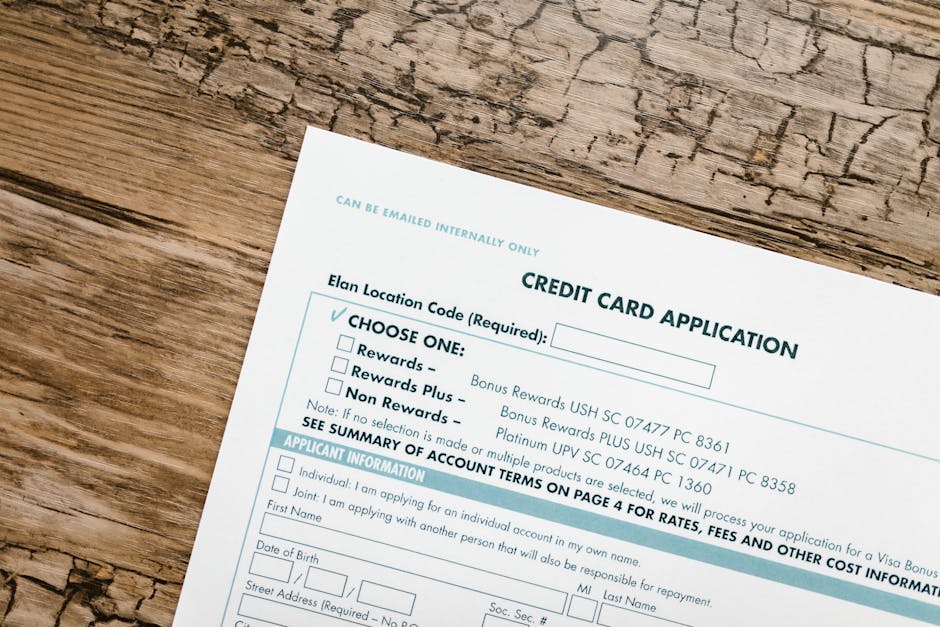
Measuring ROI from personalization starts with getting clear on what matters: gains in revenue, reductions in waste, and improvements in customer experience. The most useful metrics fall into three buckets conversion lifts, average order value (AOV), and churn reduction.
Take personalization in email, for instance. Brands like BeautyCo saw a 22% uplift in conversions after switching to trigger based messaging tied to user behavior not just generic drip campaigns. On site recommendations? Retailer ThreadedGear reported a 15% bump in AOV after implementing AI powered product suggestions tailored to browsing history and preferences. And churn? Subscription based fitness platform FormFitness used personalized onboarding emails and in app content to cut user drop off in half over three months.
Key metrics to track: conversion rate per channel (pre and post personalization), repeat purchase rate, AOV, time to first purchase, customer lifetime value (CLV), and unsubscribe/bounce rates for email campaigns. Benchmarks will vary by industry, but the trend is clear: personalization isn’t just a UX nice to have it’s a revenue driver when tracked right.
Done well, attribution paints a direct line between tailored content and performance. Miss the mark, and it’s just noise. The data tells the difference.
The Tech Stack Behind It
At the core of effective personalization is solid data. That starts with CRMs and customer data platforms (CDPs). These systems pull in detailed insights from purchase history to page views to support tickets. The goal: one source of truth for who your customer is, what they care about, and when they engage.
Stacked on top of that are personalization engines and analytics tools. These help you serve messaging in real time tailoring emails, pop ups, or product recs based on actual user behavior. No more guessing. Someone browses hiking boots twice in a week? They see trail gear in their next visit. The best engines do this without delays, feeding off clean inputs and fast decision making.
But it’s not just about plugging in platforms and letting algorithms run wild. The brands that get this right keep humans in the loop marketers who interpret the data, tweak messaging, and stop campaigns when things feel off. Machines can serve content, but empathy still drives connection. The smartest teams don’t pick between tech and intuition. They use both.
Common Pitfalls (And How to Dodge Them)
Personalization works until it doesn’t. When brands cross the line from helpful to creepy, people notice and not in a good way. Using someone’s browsing history to suggest a product? Fine. Mentioning a location they never told you about in an email subject line? That’s just uncomfortable. The line between useful and intrusive gets blurry fast, and once you lose trust, it’s hard to win back.
Then there’s the data cleanup no one likes talking about. Personalization is only as good as the data feeding it. Dirty data leads to embarrassing missteps like showing the wrong gender product or targeting inactive users. With stricter privacy laws and user expectations, compliance isn’t just legal it’s strategic. If you’re pulling from bad data sources or ignoring opt ins, you’re asking for trouble.
Finally, lots of teams fall into the integration trap. You’ve got solid email personalization, cool web experiences, maybe even a chatbot that ‘knows’ your customer. But if those tools don’t talk to each other, the experience breaks down. People ignore brands that feel disconnected.
To make personalization work in 2024, keep it relevant, keep it clean, and make sure it fits across all your marketing touchpoints.
Final Thoughts: It’s Strategy, Not Just Toolkits
Personalization only works when it’s more than a one off tactic. Chasing quick clicks with dynamic subject lines or AI recommended products might spike a chart for a day, but it’s the long game that drives sustained growth. Brands doing this well are focused on building relevance over time. That means putting retention ahead of conversion, and trust before transaction.
To do this right, your teams have to be aligned not just in vision, but in execution. Marketing can’t run personalized touchpoints without data from ops. Sales can’t close meaningfully without context from content. The best performance comes when tech, strategy, and storytelling all point in the same direction.
Finally, this is about leveling up your brand. Not just what you push out, but how you listen and adapt. Using personalization as a lens for growth means asking hard questions: Are we solving for the right problem? Are we building one off emails or genuine loyalty? Small steps, grounded in insight, deliver big wins.
Explore more on personalization in marketing for deeper insights and tactical breakdowns.