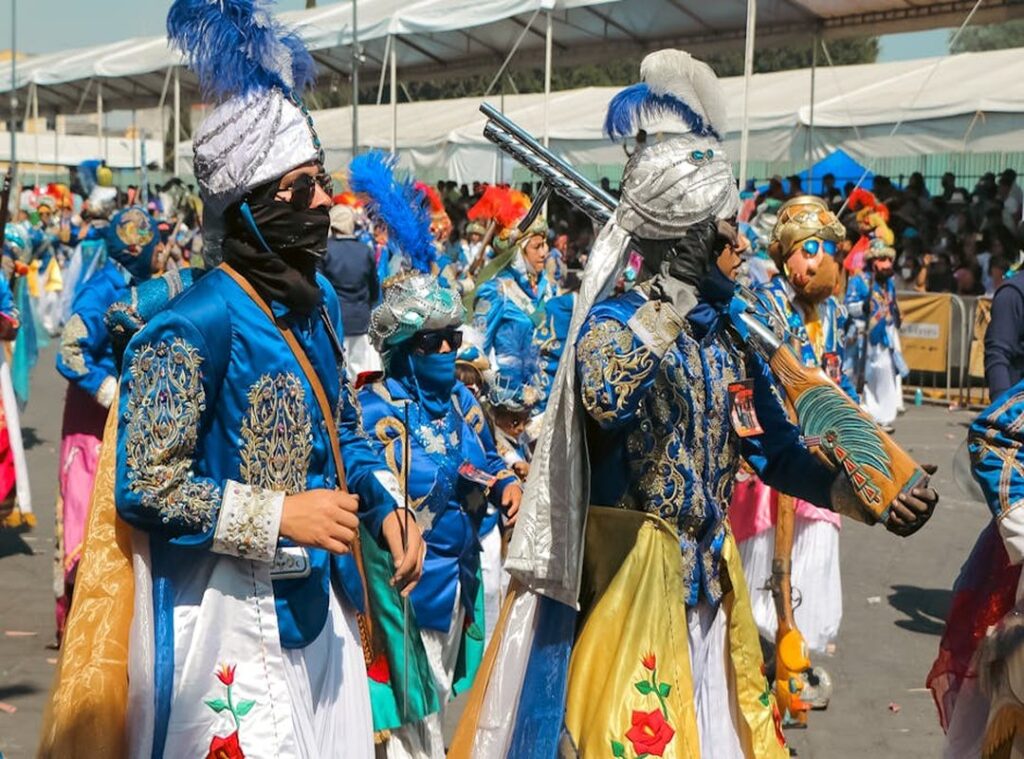
When you see fotos de flaites con pistolas, what do you think? Do you get nervous, or do you just shrug it off?
I’ve seen a lot of these images in media, gaming, and real life. They can be pretty confusing.
Sometimes, they’re just for show. Other times, they might mean something more serious.
Misunderstandings happen a lot. That’s why I’m here to break it down.
We need to look at these images from different angles. It’s not just about the guns; it’s about the context.
Let’s dive in and figure out what these pictures really mean.
Historical and Cultural Context of Firearms in Media
The way firearms are shown in media has changed a lot over the years. From old Westerns to today’s video games, the imagery is always evolving.
- Early cinema often romanticized guns as tools of justice.
- Modern films and TV show a more complex view, with both positive and negative portrayals.
- Video games have taken it even further, making firearms a central part of the gameplay experience.
Cultural narratives and symbols have been shaped by these portrayals. Guns can be seen as symbols of power, freedom, and sometimes, fear. They play a big role in how we understand our history and culture.
Fotos de flaites con pistolas, for example, highlight a specific cultural and social context where firearms are used to convey a certain image or message. This kind of imagery can influence how people see themselves and others.
Media has a real impact on public perception. It shapes how we think and feel about firearms. Understanding this can help us make more informed decisions and have better conversations about gun safety and regulation.
Knowing the historical and cultural context of firearms in media gives you a deeper understanding of why certain images and stories stick. It helps you see beyond the surface and appreciate the layers of meaning behind what you watch and play.
Firearms in Gaming: A Visual and Narrative Analysis
Gaming Industry Trends: The prevalence of firearms in popular video games and their significance in gameplay mechanics.
Visual Design
How game developers design and depict firearms to enhance realism and immersion. It’s all about the details. Developers spend countless hours perfecting the look and feel of each weapon.
They use high-resolution textures, realistic sound effects, and even physics engines to make sure every shot feels authentic.
Think about it. When you’re playing a first-person shooter, the last thing you want is for the gun to feel like a toy. You want to feel the weight, hear the click, and see the recoil.
That’s what makes the experience so immersive.
Narrative Roles
The different roles firearms play in game stories, from tools of survival to symbols of power. In many games, firearms are more than just weapons. They can be a character’s lifeline, a symbol of authority, or even a plot device.
Take The Last of Us, for example. The guns aren’t just there to shoot zombies. They represent the harsh reality of the world and the lengths characters will go to survive.
In Borderlands, the variety of firearms is part of the game’s humor and over-the-top style.
Sometimes, firearms can even drive the narrative forward. In Red Dead Redemption 2, the protagonist’s relationship with his guns is a key part of his character development. Each firearm has a story, and that story is woven into the larger narrative.
Pro tip: If you’re a game developer, consider how the visual and narrative aspects of firearms can complement each other. A well-designed gun can add depth to your story and make the gameplay more engaging.
Fotos de flaites con pistolas might seem out of place, but they highlight the cultural and social impact of firearms in different contexts. Even in gaming, understanding these broader implications can help create more meaningful and impactful experiences.
Ethical Considerations and Responsible Use of Images
When it comes to using images of individuals with firearms, ethics matter. You can’t just throw up any image and call it a day.
Responsible representation is key. It’s about showing respect and avoiding stereotypes. For example, the term fotos de flaites con pistolas highlights a specific, sensitive context.
These images can perpetuate harmful stereotypes if not handled carefully.
Sensitivity and context are crucial. Think about who might see these images and how they could be interpreted. A picture that seems harmless to one person might be deeply offensive to another.
Legal and regulatory aspects also come into play. Different regions have different rules. Ignoring them can lead to serious consequences.
So, what’s the best way to stay informed? Check out Mediawintales for the latest guidelines and insights. They cover everything from ethical practices to legal considerations, giving you the tools to use images responsibly.
Real-World Implications and Public Perception
Public Reaction: How images of individuals with firearms influence public opinion and societal debates. It’s a hot topic, no doubt.
Media Responsibility: The role of media in shaping and reflecting public perceptions of firearms and gun ownership. You see it every day—news stories, movies, and social media posts all play a part.
Balancing Act: The challenge of balancing entertainment value with social responsibility in the depiction of firearms. It’s not easy, but it’s necessary.
Images like fotos de flaites con pistolas can spark intense reactions. They make people question the safety of their communities. And that’s just the start.
The media has a huge role in this. They can either fan the flames or help cool things down. (Sometimes, they do a bit of both.)
But here’s the kicker. Media outlets often face a tough choice. Do they go for the shock value to get more clicks?
Or do they take a more responsible approach, even if it means fewer views?
It’s a balancing act. On one hand, you want to keep your audience engaged. On the other, you have a responsibility to not sensationalize the issue.
We need to look at how these images are used. Are they there to inform, or just to grab attention? That’s the real question.
And let’s be honest, sometimes the line between entertainment and education gets blurry. But it’s important to stay on the right side of that line.
So, what can we do? We can push for more thoughtful and balanced coverage. We can demand that media outlets consider the broader impact of their content.
Case Studies: Notable Examples and Their Impact
Positive Examples: Case studies of images that have been used responsibly and positively in media and gaming. For instance, a video game that featured diverse characters and inclusive storylines saw a boost in player engagement and positive reviews.
Negative Examples: Instances where the use of such images has led to controversy or negative outcomes. One example is when a popular TV show used stereotypical and offensive imagery, leading to public backlash and a drop in viewership.
Lessons Learned: Key takeaways from these case studies for content creators and consumers.
First, it’s crucial to understand the impact of the images you choose. Responsible use can enhance your brand and audience experience. On the flip side, careless or insensitive choices can do real damage.
So, what should you do? Always consider the context and potential implications of the images you use. Ask yourself, “Is this respectful and inclusive?” If not, rethink it.
For content creators, I recommend setting clear guidelines for image use. This helps maintain a consistent and positive message. For consumers, be critical of the media you engage with.
Speak up if you see something that doesn’t sit right.
One specific example that stands out is the use of fotos de flaites con pistolas in a local news article. The image was meant to highlight a community issue but ended up perpetuating stereotypes and fear. It’s a reminder that even well-intentioned images can go wrong.
In short, be thoughtful and proactive. Your choices matter.
Navigating the Complexities of Firearm Imagery
Understanding the context and implications of images of individuals with firearms is crucial. These images can have significant social and emotional impacts.
fotos de flaites con pistolas often carry specific cultural and societal connotations. It’s important to recognize these nuances to avoid perpetuating harmful stereotypes or glorifying violence.
Responsible and thoughtful use of such images in media and gaming is essential. This approach helps in creating a more informed and sensitive portrayal of firearms.
Be mindful and informed when engaging with and creating content involving firearms.